Importance of Indian Pharmacopoeia Reference Standards and Impurity Standards in Ensuring the Quality of Medicines Highlighted at Conclave
Conclave Brings Together Pharmaceutical Quality, Clinical, Regulatory and Industry Experts for the First Time to Deliberate on Clinical Implications of Pharmacopoeial Impurities and Patient Safety
The Indian Pharmacopoeia Commission (IPC), Ministry of Health and Family Welfare, Government of India, organized a Scientific Conclave & Interactive Session on Indian Pharmacopoeia 2026 on 15 May 2026 at the National Institute of Pharmaceutical Education and Research (NIPER), Hyderabad, Telangana, in collaboration with NIPER Hyderabad, Central Drugs Standard Control Organization (CDSCO), and the IDMA Telangana Chapter. The conclave focused on the theme “Significance of Indian Pharmacopoeia Reference Standards and Impurity Standards in Ensuring Pharmaceutical Quality.”
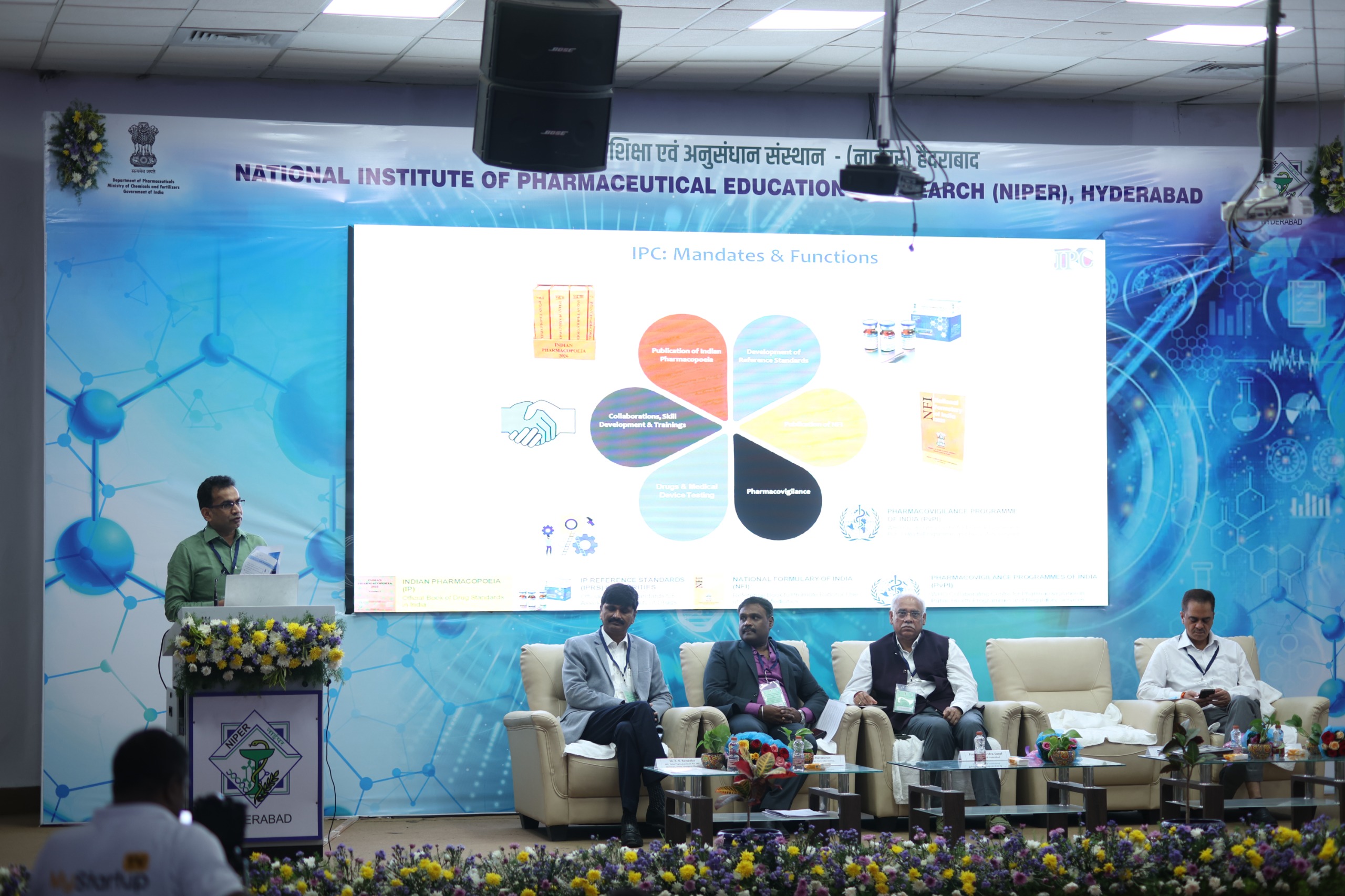
The IPC, mandated with promoting the quality, safety, and rational use of medicines, continues to undertake initiatives aimed at strengthening pharmaceutical quality and safeguarding patient safety. Recognizing that the quality of medicines remains a critical component of public health protection, IPC has been consistently addressing issues related to pharmaceutical quality through scientific, regulatory, and stakeholder engagement platforms. The present conclave was organized to deliberate upon the significance of Indian Pharmacopoeia Reference Substances (IPRS) and impurity standards in ensuring the quality, safety, and efficacy of medicines.
The conference was formally inaugurated by Prof. Shailendra Saraf, Director, NIPER Hyderabad, who appreciated IPC for collaborating with academic institutions in advancing pharmaceutical quality initiatives. He highlighted that such collaborations with premier institutions, including NIPER Hyderabad and previously NIPER Ahmedabad, provide an important platform for scientific exchange and capacity building among regulators, academia, and industry stakeholders.
Dr. V. Kalaiselvan, Secretary-cum-Scientific Director, IPC, emphasized that impurity profiling and scientifically established pharmacopoeial standards are essential components in reducing adverse effects associated with pharmaceutical impurities. He reiterated IPC’s commitment towards strengthening medicine quality systems and contributing to the vision of “Viksit Bharat” through robust pharmacopoeial standards and quality assurance mechanisms.
The inaugural session was attended by senior officials from IPC, CDSCO, NIPER Hyderabad, and the pharmaceutical industry. Shri K. V. Rambabu, Chairman, IDMA Telangana Chapter and Managing Director, Pulse Pharmaceuticals Pvt. Ltd., delivered the welcome address. Shri K. Narendran, Deputy Drugs Controller (India), CDSCO, Hyderabad, also addressed the gathering and highlighted the importance of harmonized standards and regulatory oversight in ensuring medicine quality.
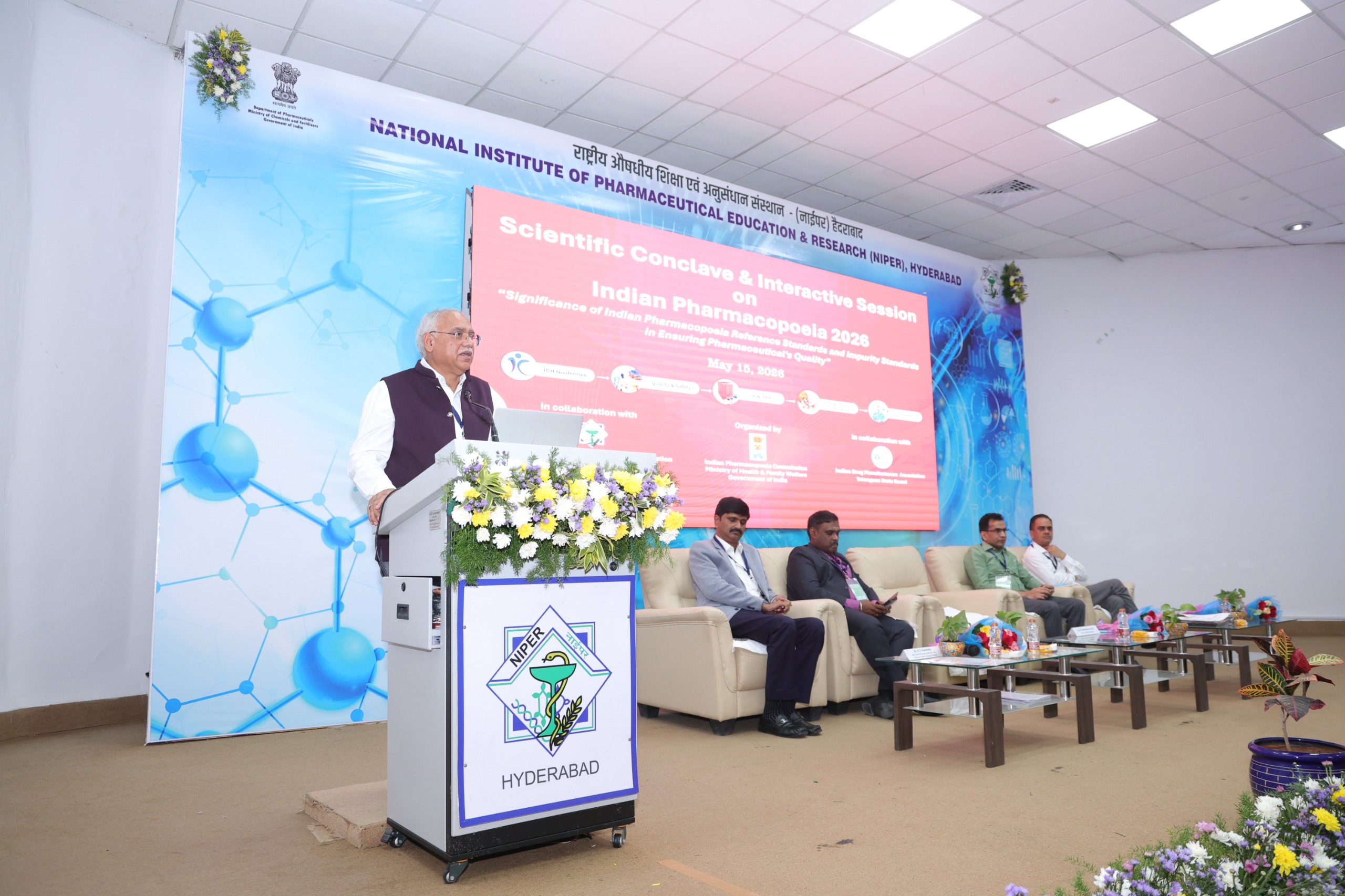
A unique feature of the conclave was the participation of stakeholders from both the pharmaceutical quality and clinical domains. For the first time, IPC brought together experts from regulatory, analytical, industrial, and clinical backgrounds to deliberate upon the clinical implications of pharmacopoeial impurities, including their potential association with adverse drug reactions and patient safety concerns. The conclave also provided an important opportunity for pharmaceutical industries actively involved in the development, adoption, and implementation of IPRS and impurity standards to share their experiences and perspectives.
During the technical sessions, experts from IPC, CDSCO, academia, and industry deliberated upon several contemporary topics related to pharmacopoeial standards, impurity control, and regulatory compliance. Dr. Pawan K. Saini, Senior Scientific Officer, IPC, presented an overview of Indian Pharmacopoeia 2026 and highlighted its salient features and recent scientific advancements.
Dr. Robin Kumar, Senior Principal Scientific Officer, IPC, delivered a detailed presentation on Indian Pharmacopoeia Impurity Reference Substances (IPIRS), including their development and significance in pharmaceutical quality assurance.
Dr. Pugazhenthan T, Associate Professor, AIIMS Raipur, discussed the clinical impact of pharmaceutical impurities through case studies, while Shri K. Narendran, Deputy Drugs Controller (India), CDSCO, Hyderabad, elaborated upon regulatory perspectives on controlling impurities in drug substances and formulations.
Mr. Imtiyaz Basade, Senior Vice President – Global Regulatory Affairs, NATCO Pharma, delivered a session on elemental impurities, recent regulatory updates, and risk assessment approaches adopted within the pharmaceutical industry.
The later sessions focused on emerging global concerns related to pharmaceutical impurity management. Shri Arvind Kumar Sharma, Scientific Officer, IPC, presented an overview of the control of diethylene glycol and ethylene glycol in cough syrups and shared recent regulatory and pharmacopoeial updates in this area.
Shri Rajendra Madhukar Bandgar, DQA Head, Dr. Reddy’s Laboratories, discussed nitrosamines, including risk evaluation approaches and global regulatory responses. Dr. M. T. Shreenivas, Founder and CEO, Honeychem Pharma Research Pvt. Ltd., Bengaluru, elaborated upon the synthesis of pharmacopoeial impurities and emerging opportunities in this specialized field.
The conclave concluded with an interactive open discussion involving experts from IPC, CDSCO, State Licensing Authorities, academia, clinicians, researchers, and industry representatives on various aspects of pharmaceutical impurities, analytical methodologies, regulatory expectations, and implementation challenges.
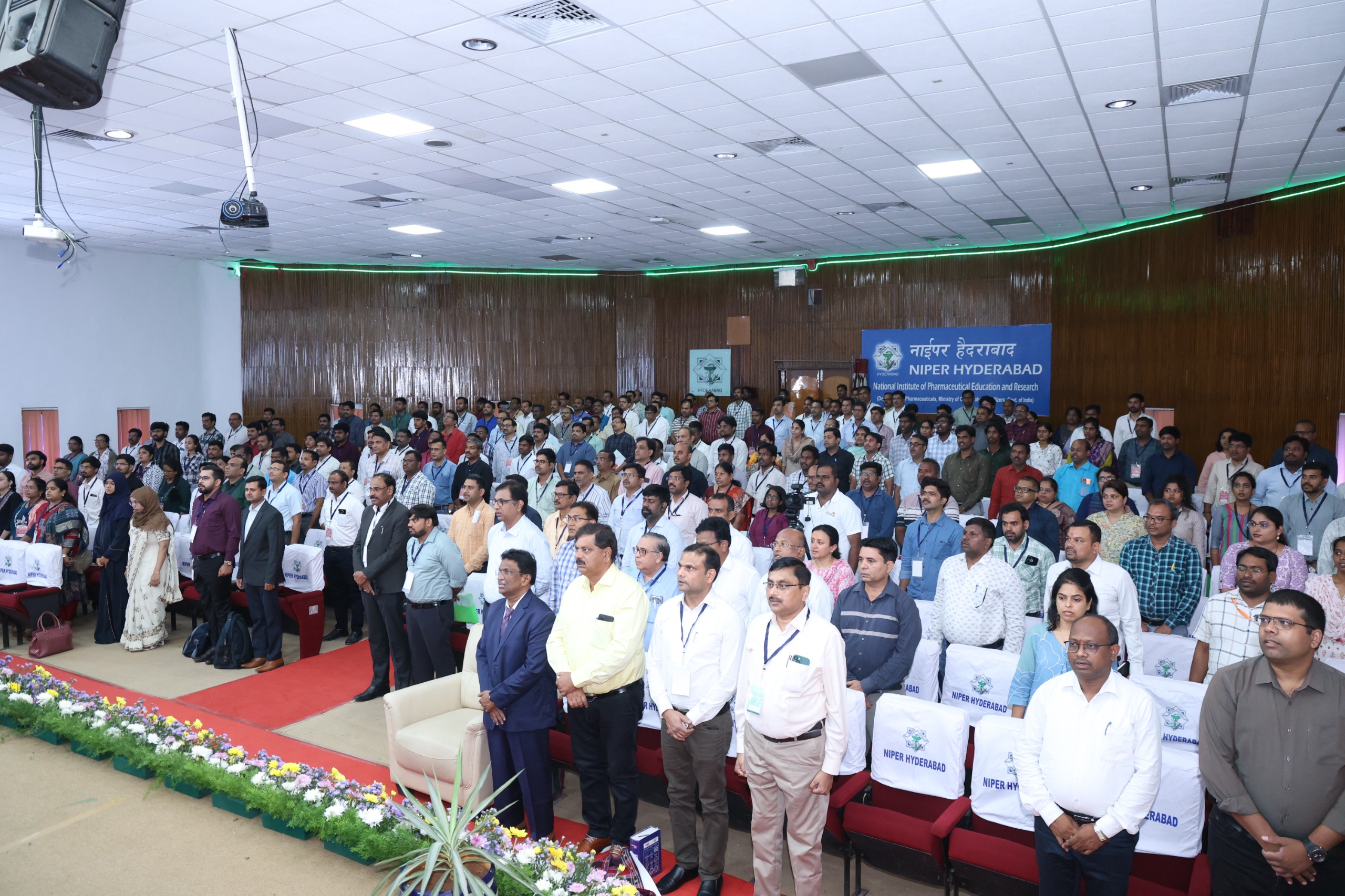
The conference was well attended by regulators, pharmaceutical industry professionals, academicians, clinicians, analytical scientists, and researchers from across the country, reaffirming IPC’s continued commitment towards strengthening medicine quality systems and promoting public health protection through scientifically robust pharmacopoeial standards.